Episode 52 · July 02, 2026 · 1527
Is it a good idea to get two dogs at the same time?
About This Episode
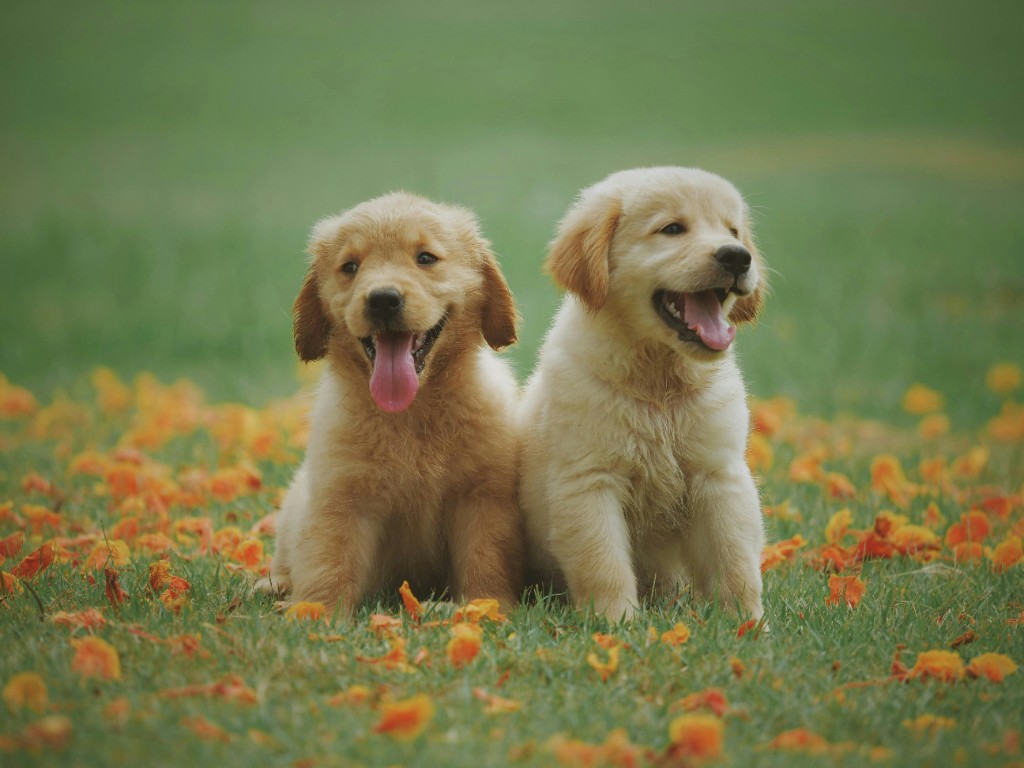
In this episode we talk about getting two dogs at the same time. Good idea or bad idea? In this episode we go over how to have two dogs at the same time, so you can set yourself up for success. Two dogs can be awesome or a nightmare if not done right
Questions about the training topics in this episode? Tyce works with bird dog owners and hunters through Utah Bird Dog Training. Reach out to work with him directly.
Resources & Links
- The Gunshy Fix — Sound conditioning program for gunshy dogs.
- Kuranda Dog Beds — Elevated, chew-proof dog beds.
- Utah Bird Dog Training — Tyce's professional training services.
Transcript
Full transcript for Episode 52: Is it a good idea to get two dogs at the same time?.
Tyce
Hey everyone, welcome to the Bird Dog Podcast. My name is Tyce — thanks for tuning in today. The information I share on this show comes from 20 years of being around these animals day in and day out: training dogs professionally, hunting, and just being genuinely passionate about everything that comes with the bird dog world. This is real-life experience, not something I'm reading off the internet. Take it for what it's worth, but I think most of you will find it useful.
If you have training or hunting questions you'd like me to cover, send them to thebirddogpodcast@gmail.com — I'd love to address those on the show.
Today's topic: is it a good idea to get two dogs at the same time? Should you pick two puppies from the same litter? I get this question a lot, and the short answer is — it can be done, but it's more challenging than most people expect, and the way you raise them makes all the difference.
Let me start by saying I'm completely on board with owning two dogs. If you're an upland hunter and you want two pointing dogs working a field together, honoring each other, covering more ground as a team — that's a beautiful thing. There's nothing better. One dog is awesome; two trained dogs working together is even better. But the keyword there is trained. Separately trained.
Here's what I see happen when people raise two dogs together without separation: the dogs build their own little pack culture. They're pack animals. They feed off each other, they entertain each other, they encourage each other's bad behaviors. It's like a couple of kids egging each other on. When two dogs are bonded and living to each other, your place in that dynamic can become secondary. They'll gravitate toward each other rather than toward you, and that creates real problems in training.
Inside the house especially, two dogs running together will amplify each other's destructive tendencies. One marks a wall; the other marks on top of it. One starts chewing something; the other joins in. What would be a minor issue with one dog becomes a snowball effect with two dogs reinforcing each other. It can get out of hand fast.
The solution is simple but requires discipline: keep them separate. Two separate runs with their own dog houses — essentially their own bedrooms. Pull one dog out at a time, train that dog, put it back, pull the other one out. Once both dogs are trained individually and understand the game, then you bring them together to train as a team. At that point they're both capable of playing football, so to speak. Throw two untrained dogs together and it's just chaos — they're running the wrong direction, interfering with each other, and neither one gets anything out of it.
Feed them separately too. Don't put two bowls down in the same space, especially with puppies or dogs that haven't established a solid obedience foundation. Resource guarding over food is real, and you don't want to manufacture that problem. Keep feeding time calm and uneventful — put the food down, give them space, let them eat. I've never had a dog be possessive over food around me because I've never made it a confrontation. They eat, they're done, and we move on.
Another thing to be aware of when dogs share a run: they rough house, they jump on each other, and they can transfer dirt, bacteria, and debris from one to the other. One dog walking through its own waste and then pawing at the other dog's face is how you end up with eye infections and ear problems. Keep them separate when they're unsupervised. When you're watching them and they're on grass, that's fine — let them play. You just want controlled environments when you're not there to manage it.
Should you get litter mates specifically? It varies. I've seen litter mates that get along great, and I've seen litter mates that genuinely don't like each other. My lean is toward a male-and-female pairing if you want two dogs from similar breeding. Two males can create more of an ongoing dominance dynamic — neither wants to back down. A male and female tends to be more balanced. Obviously if you don't want puppies, spay or neuter accordingly.
Honestly, though, my best recommendation is this: get one dog, get it trained up and solid, let it establish a real relationship with you — six months to a year in — and then get your second dog. The first dog is now older and more established, the puppy will naturally respect that animal, and as they grow together you're going to have a much better chance at a healthy working relationship between them. This is especially true if you're looking at two males.
The bottom line: two dogs is completely doable and absolutely worth it if you go about it right. Keep them separate in housing and training, bring them together once they're both trained, feed them independently, and don't put them in situations that breed conflict. Follow those principles and you'll end up with two capable, well-mannered working dogs that are a pleasure to hunt behind.
Thanks for listening today. Train every day — four or five days a week at minimum — and you'll see that daily progression. Dove and grouse seasons are right around the corner. It's game time. See you in the next one.
About the Host
Tyce Erickson
Tyce Erickson is a professional bird dog trainer and the owner of Utah Bird Dog Training in Utah. For nearly two decades he has worked with pointing dogs, retrievers, and family hunting dogs — helping owners build dogs that are capable and enjoyable in the field. The Bird Dog Podcast is an extension of that work: honest conversations on training, hunting, breeding, and everything that goes into a life spent working dogs.
More About Tyce